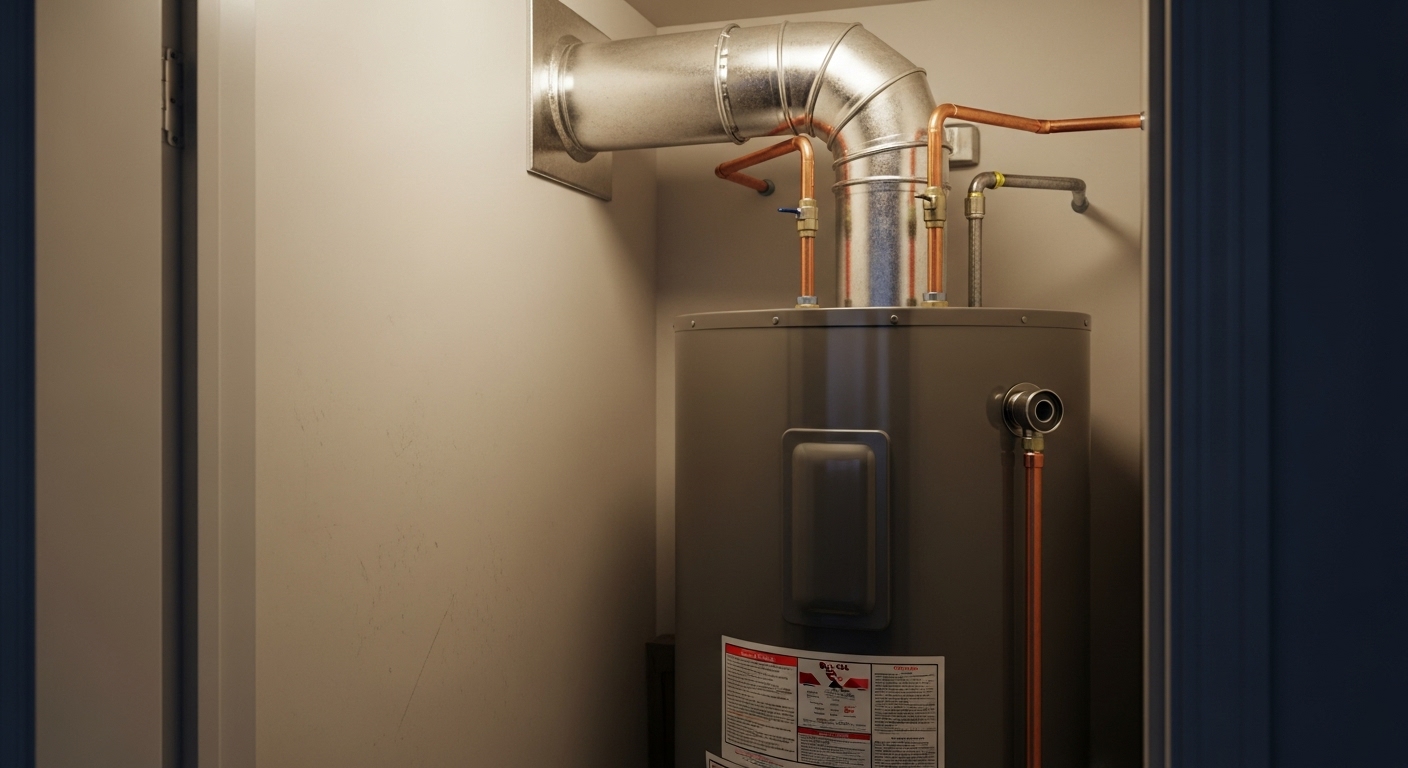
Dripping relief valve, banging pipes, or pressure with nowhere to go? An expansion tank takes that strain off your water heater, valves, and pipes. We size it, install it, and pre-charge it to match your home. We read the water pressure first, then size the expansion tank to your house.
Request a Free Estimate
Thank You!
We'll get back to you shortly. For immediate help, call (983) 209-1502.
Most expansion tanks go in the same day you call. Most go in under an hour once the water supply is shut off.
Takes the strain off your water heater, valves, and pipes. Lower water pressure inside the lines means less strain everywhere.
Full price — tank, fittings, labor — before we start. Tank, fittings, and the air pressure set to match your home.
Qualified pros sizing and installing it the right way.
Water expands as it heats. When it can't push back into the main, the pressure has to go somewhere. Here's how a small expansion tank handles it. We read the water pressure at a hose bib before deciding anything.
Water expands as it warms up. If it can't push back into the main, that extra pressure has nowhere to go. The expansion tank gives it a cushion to flow into, so your system stays calm. Inside the expansion tank a rubber diaphragm keeps the air apart from the water, and that pocket of air is what flexes.
Constant pressure spikes wear a water heater out from the inside. Giving that pressure somewhere to go takes the strain off the tank and its connections.
Repeated pressure surges are hard on faucets, toilet fill valves, and supply lines. Smoothing those spikes out helps your fixtures last longer. Steady water pressure is easier on every fitting in the house.
If the valve on top of your water heater keeps weeping or dripping, it's usually relieving extra pressure. An expansion tank handles that pressure so the valve stays dry.
That knocking or banging in the walls when the water heater runs is often pressure with nowhere to go. The tank gives it room, and the noise settles down.
Less pressure stress across the board means your water heater, valves, and lines all work easier. That adds up to fewer repairs and more years out of the system.
A few clear signals point to thermal expansion. If any of these sound familiar, an expansion tank is probably the fix. A quick water pressure reading at an outside spigot usually settles it.
See water weeping or dripping from the valve on top of your water heater? That valve opens to let off extra pressure. A drip usually means the pressure has nowhere else to go.
A check valve or a pressure-reducing valve on your main line creates what's called a closed system. Water can't flow back out, so when it heats and expands, the pressure builds. That's exactly when an expansion tank earns its keep. Once that happens the pressure climbs every time the burner runs, and the plumbing takes it.
Knocking pipes when the water heater runs, or pressure that jumps when no one's using water, both point to thermal expansion. We can confirm it during a quick visit and add a tank if it makes sense. We compare the air pressure in the tank against your incoming water pressure so the two match.
Not sure if you're on a closed system? We'll check during a quick visit. If you're putting in a new unit, ask about adding one as part of your water heater installation.
Simple, straightforward. Here's how it works.
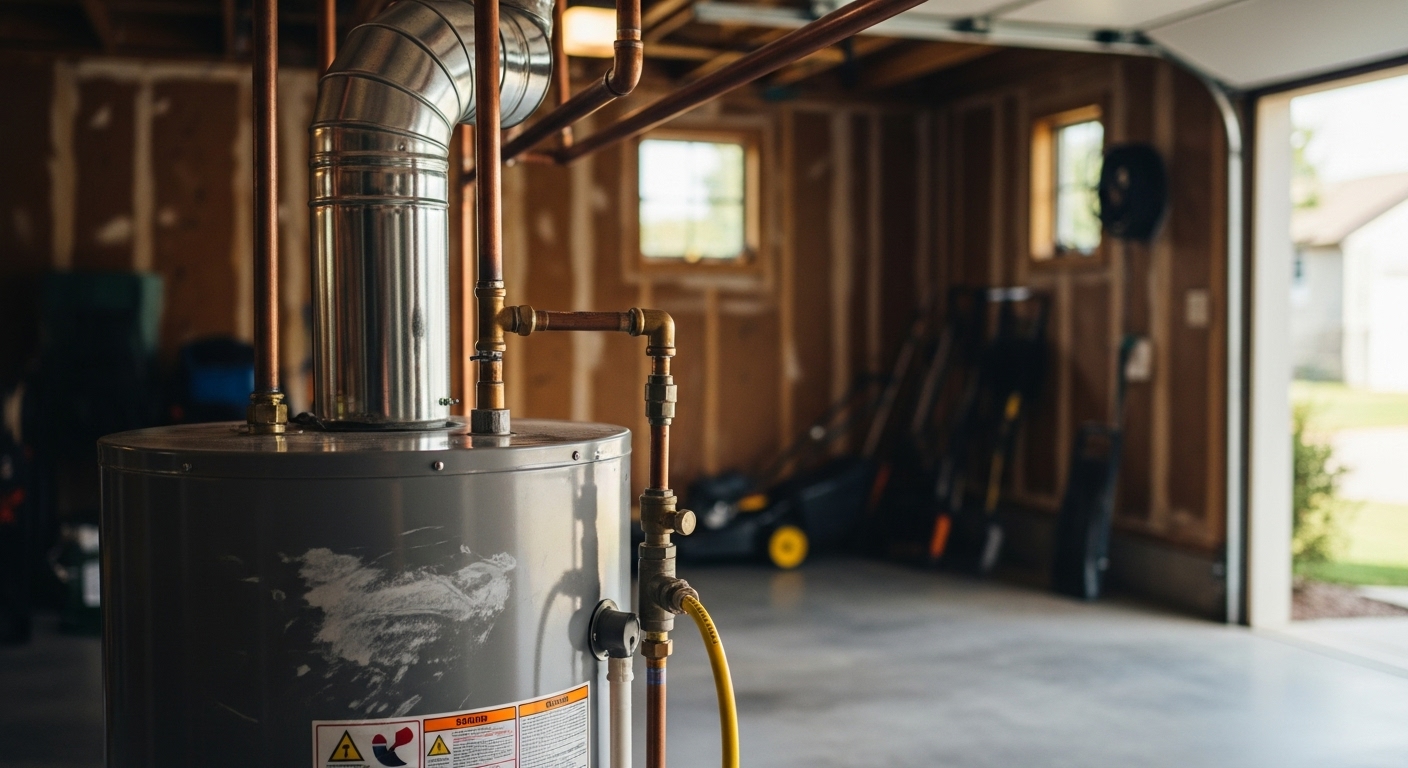
We're water heater experts — it's what we know inside and out. We don't just bolt a tank on; we check your pressure, confirm thermal expansion is the issue, and size the tank to your home so it actually does its job. That means reading the water pressure, checking the diaphragm, and matching the air side to your house.
The full price before any work starts, a tank pre-charged to match your pressure, and a real person answers 24/7. Daniel's Water Heater Repair serves homeowners across Boulder and the surrounding metro.
These come up on almost every expansion tank job, so here's the straight answer to each.
It's a small tank, usually mounted right above or next to your water heater, that gives heated water somewhere to go. Water expands as it warms up. The expansion tank holds a cushion of air that flexes with that pressure, so it doesn't strain your water heater, valves, or pipes. The air sits behind a flexible diaphragm, set to your incoming water pressure before the tank ever goes on the wall.
If your home is on a closed system, yes — it's worth having. You're on a closed system when there's a check valve or a pressure-reducing valve on your main water line, which most homes have. That stops expanding water from flowing back out, so the pressure builds inside. A quick visit tells us for sure.
It's a small add-on, not a big job — usually $200 to $400 installed (the tank itself runs $40 to $200, plus labor). The exact number depends on your setup and where it goes, and you'll have the full, exact price in hand before we start. If your plumbing needs a new shutoff or a longer run, that shows on the quote before we start.
On its own it's a quick job — usually under an hour. We shut off the water, relieve the pressure, mount the tank, pre-charge it to match your home, and test everything. When we're adding it during a water heater installation, it's folded right into that work. We drain a little water off first so the pressure drops before the expansion tank goes in.
On a closed system, the pressure from heated water keeps building with nowhere to go. Over time that shows up as a dripping relief valve, banging pipes, worn-out faucet and toilet valves, and extra stress on your water heater. An expansion tank takes that pressure off the whole system.
Almost always near the top of your water heater, on the cold water line feeding into it. We pick a spot that's easy to reach for future service and won't crowd the rest of your setup, then secure and pre-charge it to match your home's pressure. Mounting it there keeps the weight off the plumbing and leaves the drain reachable.
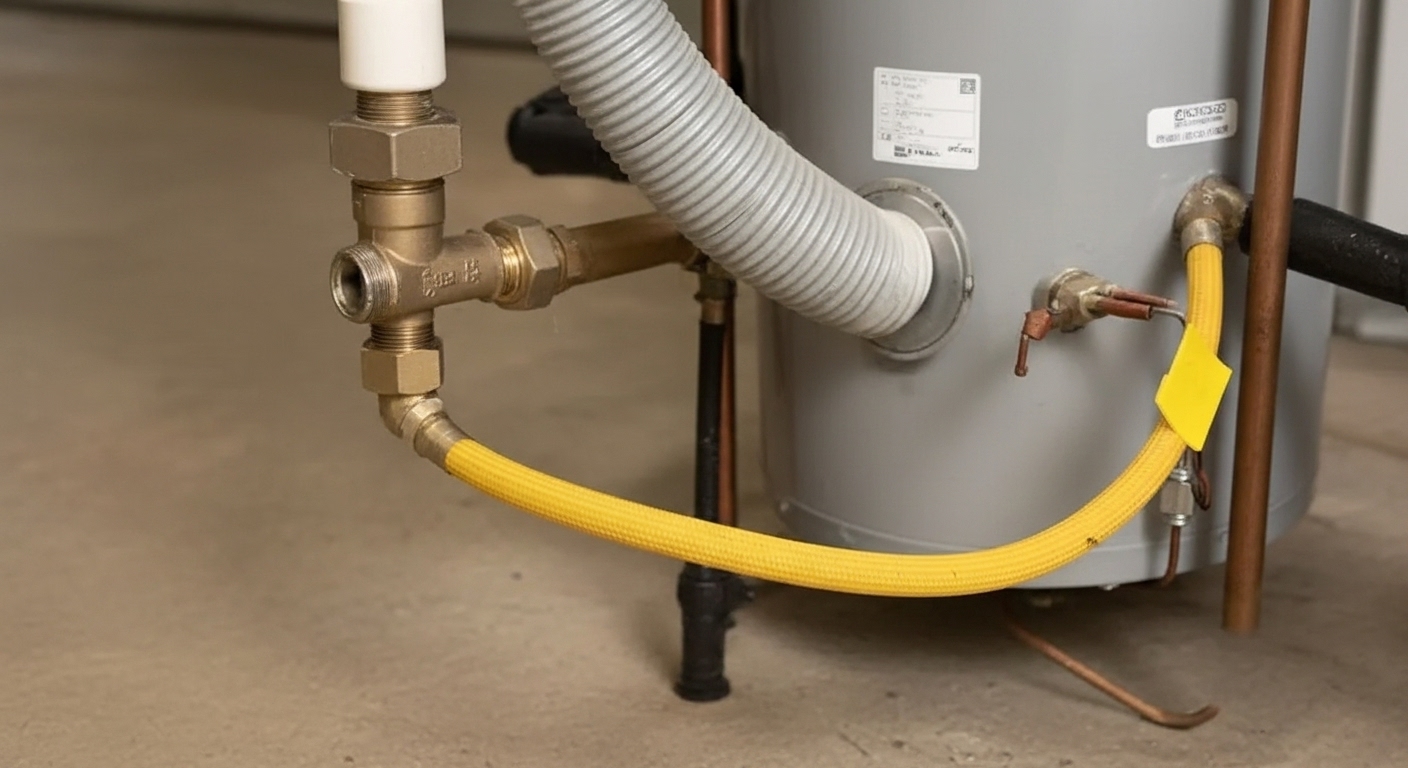
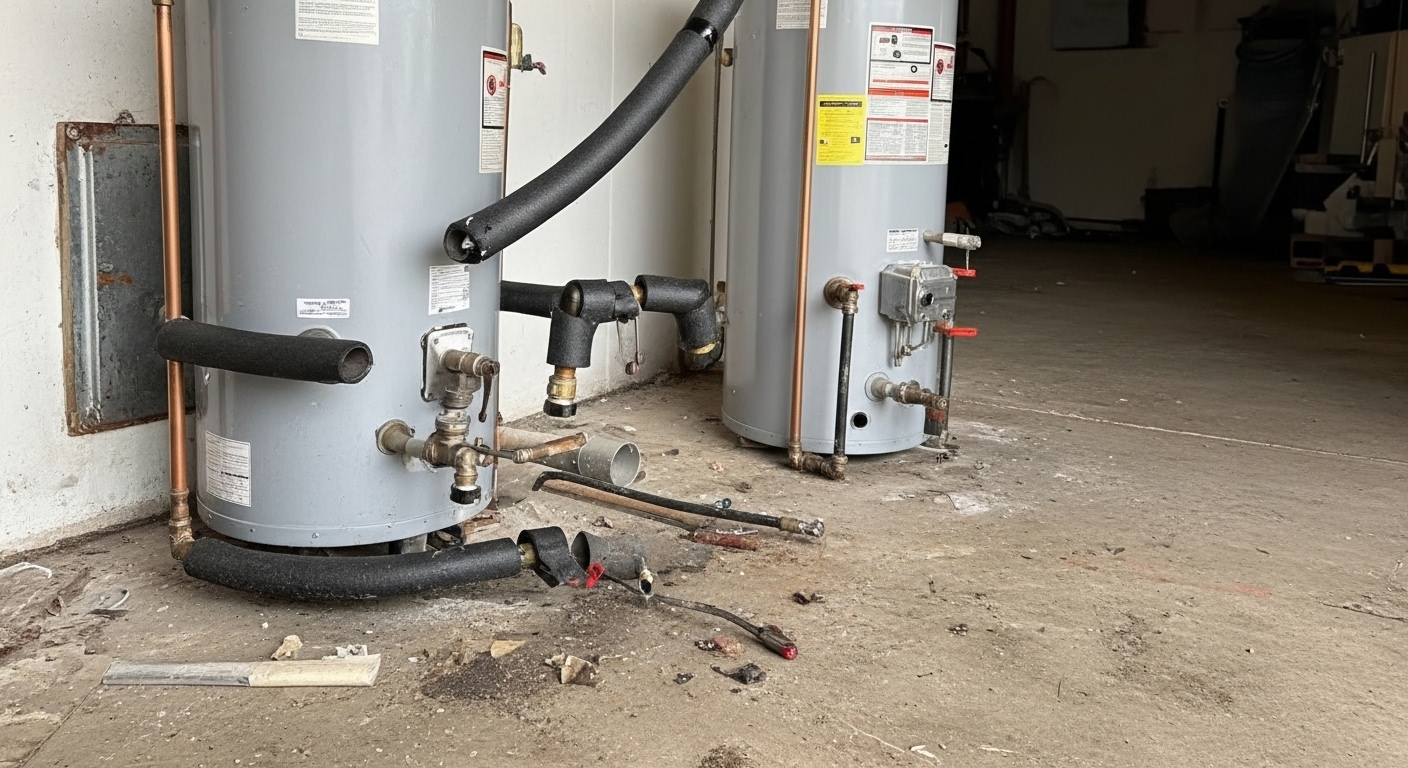
Call or text — a real person answers 24/7, and same-day expansion tank installation is the norm. We bring the tank, the fittings, and a gauge to set the air pressure on site.
(983) 209-1502